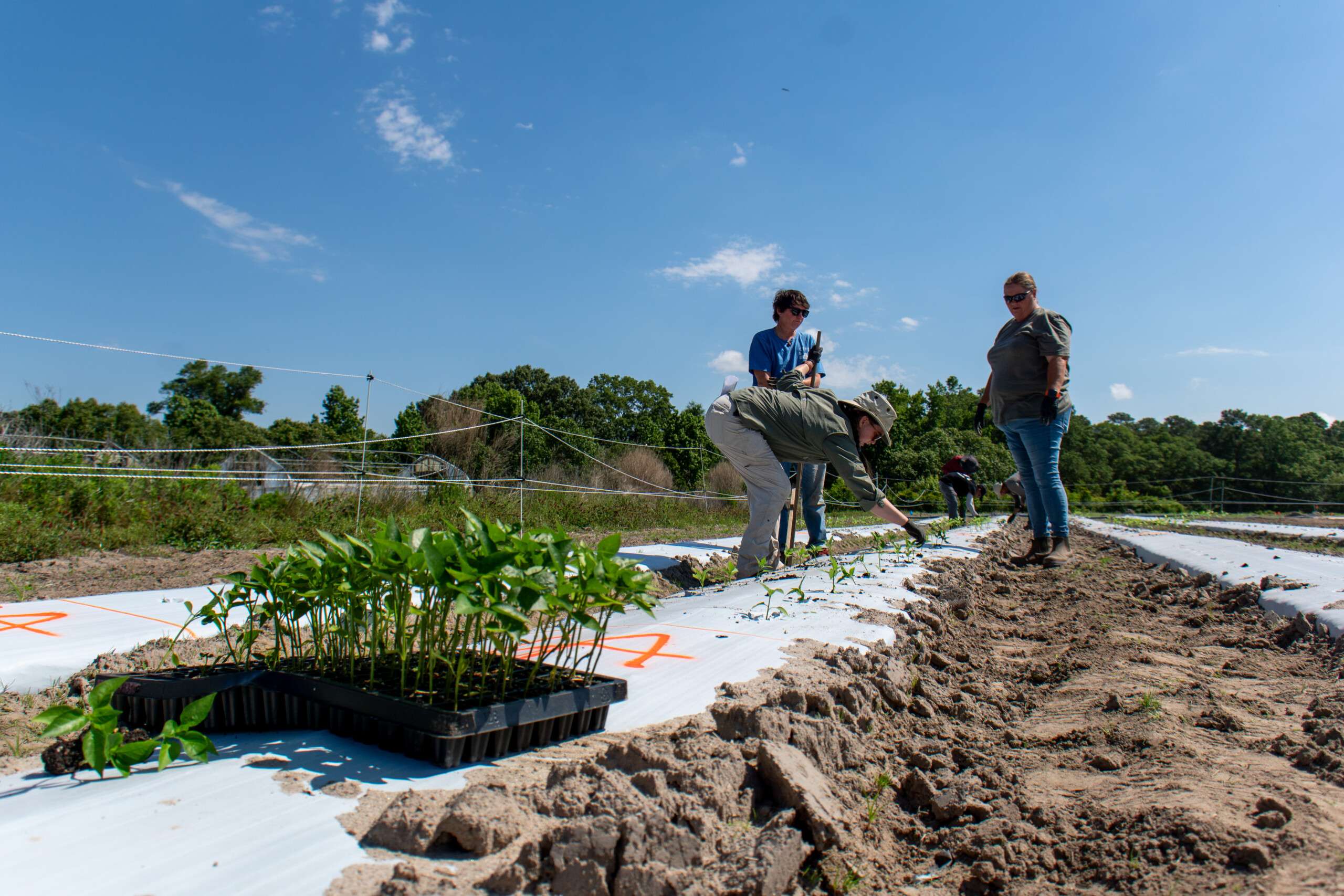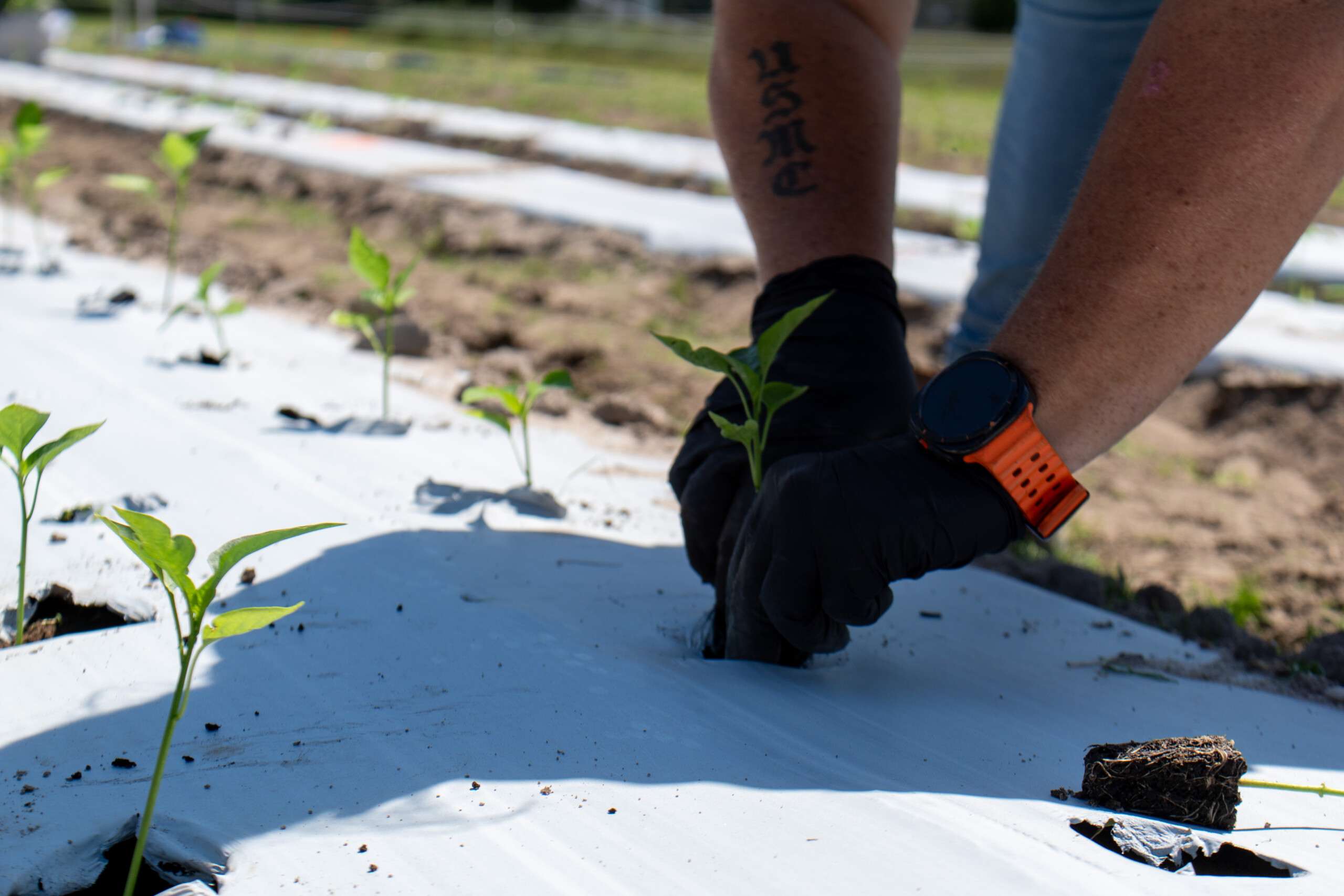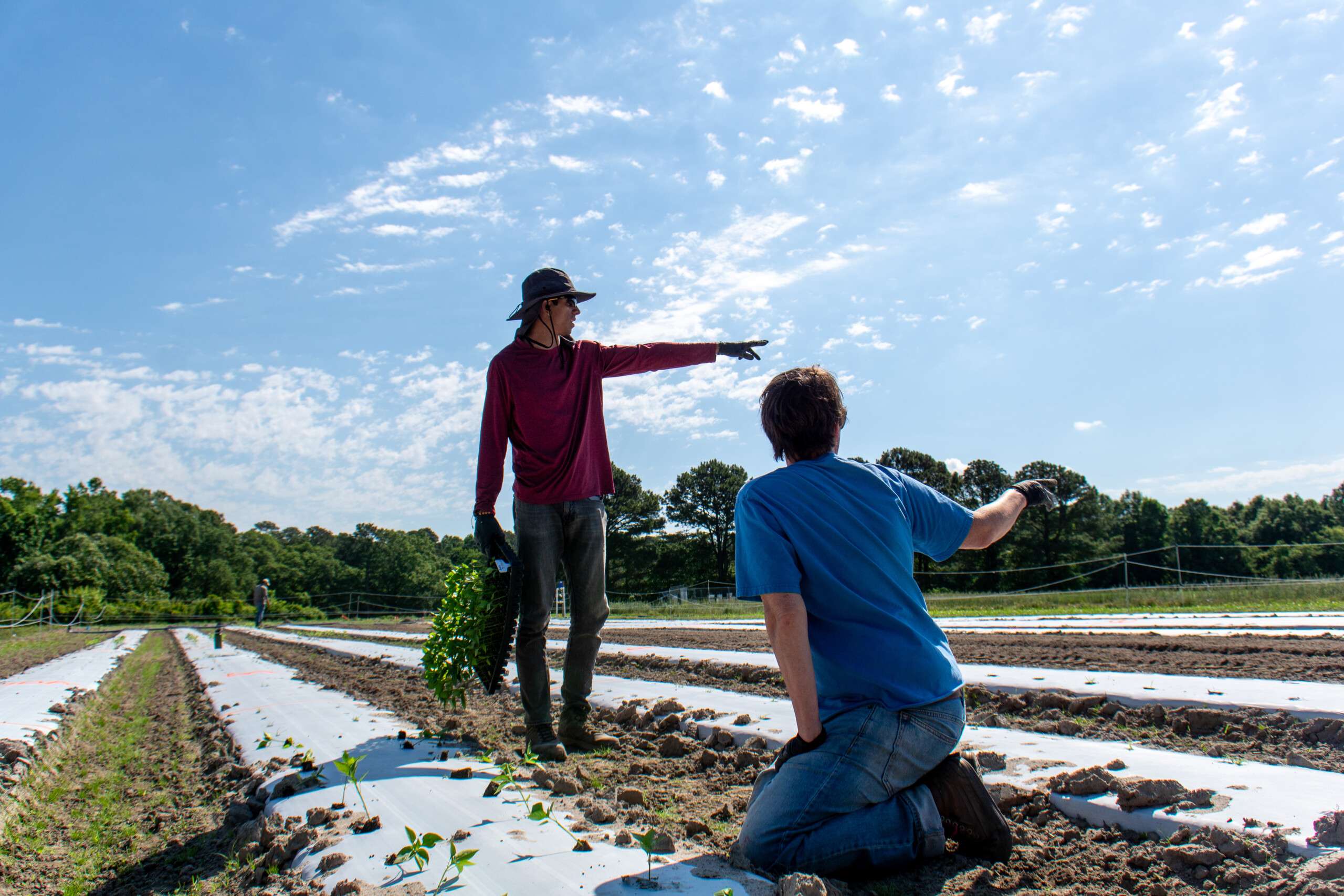
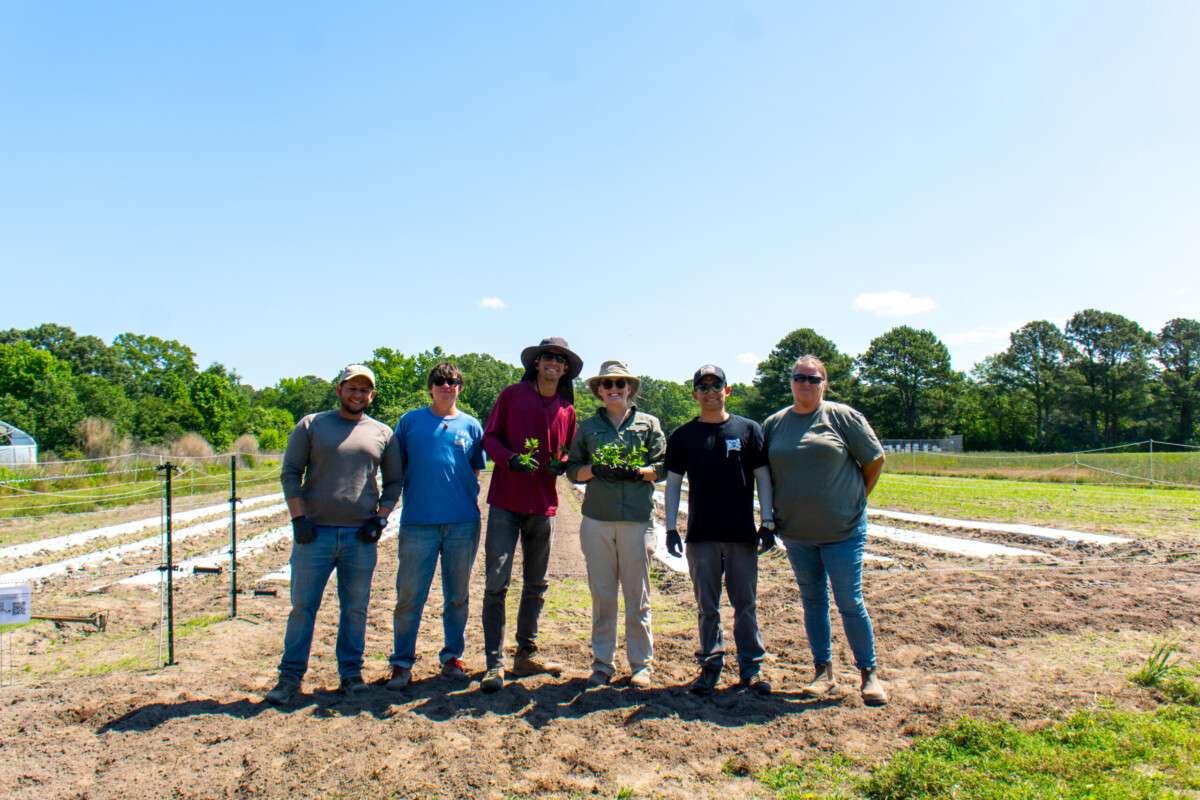
Bell peppers are one of the most widely grown vegetable crops in the Southeast, but growers continue to face mounting challenges from pests, diseases, nematodes and environmental stress. At the Center for Environmental Farming Systems (CEFS) Field Research, Education, and Outreach Facility at Cherry Research Farm in Goldsboro, North Carolina and other locations across the Southeast, researchers are working to address those challenges through a comprehensive bell pepper cultivar trial focused on practical, grower-centered Integrated Pest Management (IPM). As part of her thesis research, MS student Lauren Turner is conducting cultivar evaluation trials in both conventional and organic production systems in North Carolina while also contributing to a multi-state effort to update the Pest Management Strategic Plan (PMSP) for bell peppers with the Southern IPM Center.
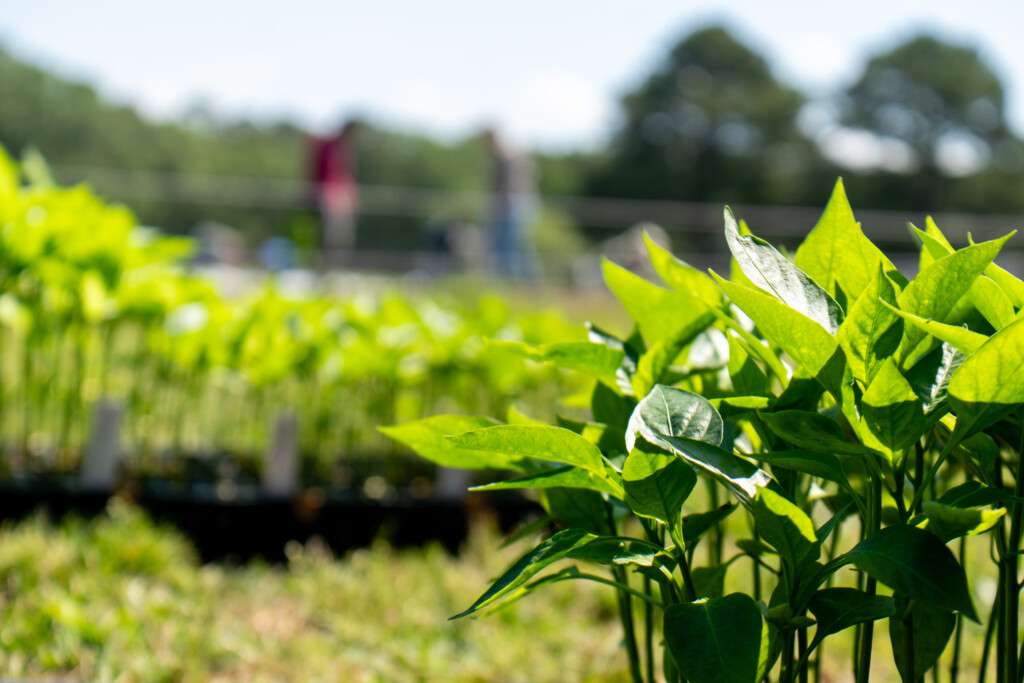
What makes the Cherry Research Farm site especially significant is that it is the only organic research location included in this multi-state project. While additional cultivar evaluations are being conducted under conventional production systems at the Horticulture Crops Research Station in Clinton, North Carolina, the organic trial at Cherry Research Farm provides a critical opportunity to understand how bell pepper varieties truly perform under organic management conditions. For organic growers, research grounded in real production environments is essential. Pest pressure, disease dynamics, soil health and crop resilience can all behave differently in organic systems, making regionally relevant data invaluable for on-farm decision making.
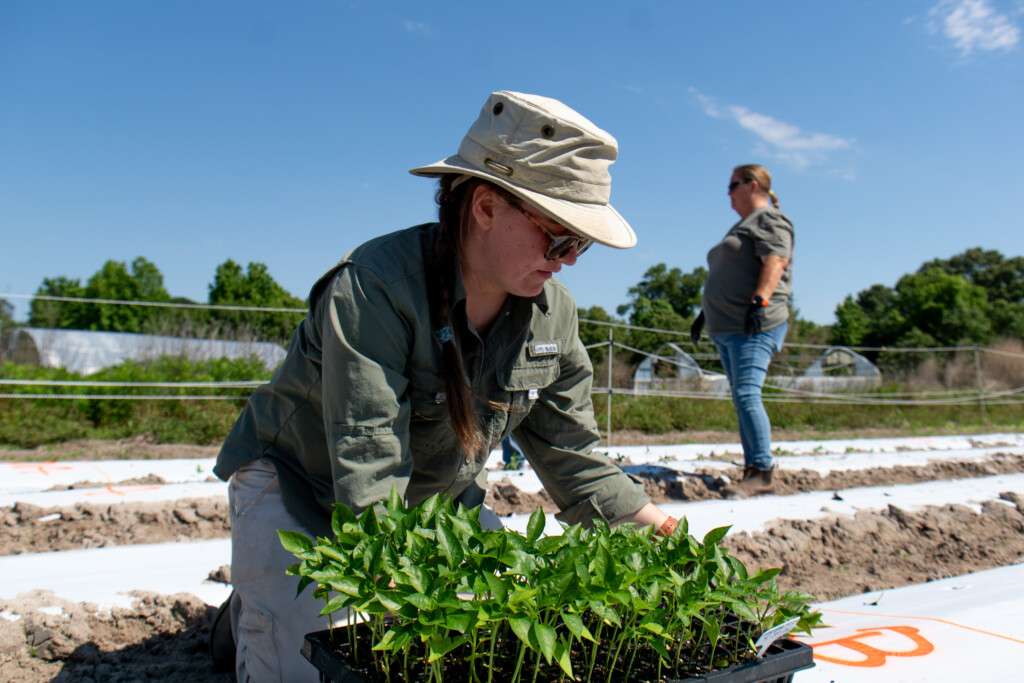
The research is being led by Turner under the guidance of Dr. Emmanuel Torres Quezada in the Precision Horticulture Laboratory at North Carolina State University. Turner’s work evaluates bell pepper cultivars for plant growth, yield, pest incidence and disease resistance while also incorporating advanced tools such as drone imaging, environmental sensors and soil monitoring. The project aims to identify cultivars that produce high yields, and also demonstrate resilience under the environmental and biological pressures growers face throughout the Southeast.
Beyond field trials, the project also emphasizes listening directly to growers. Turner is leading a multi-state survey across North Carolina, South Carolina, Georgia, Alabama and Mississippi to help update the Pest Management Strategic Plan (PMSP) for bell peppers in collaboration with the Southern IPM Center. Through workshops and grower engagement, the research team is identifying the pests, diseases and management concerns producers are currently encountering in the field. This approach ensures that future IPM recommendations and research priorities reflect real-world production challenges rather than assumptions made in isolation. A regional stakeholder workshop connected to the project is also planned for the Southeast Regional Fruit and Vegetable Conference in Savannah, Georgia in January 2027.
At its core, this research demonstrates why Integrated Pest Management remains such an important framework for sustainable agriculture. By conducting this work within an organic production system at Cherry Research Farm, researchers are helping ensure that organic growers have access to science-based recommendations grounded in the realities of their operations. In a region where vegetable production faces increasing pressures from climate variability and evolving pest challenges, this kind of applied, field-driven research has never been more important.