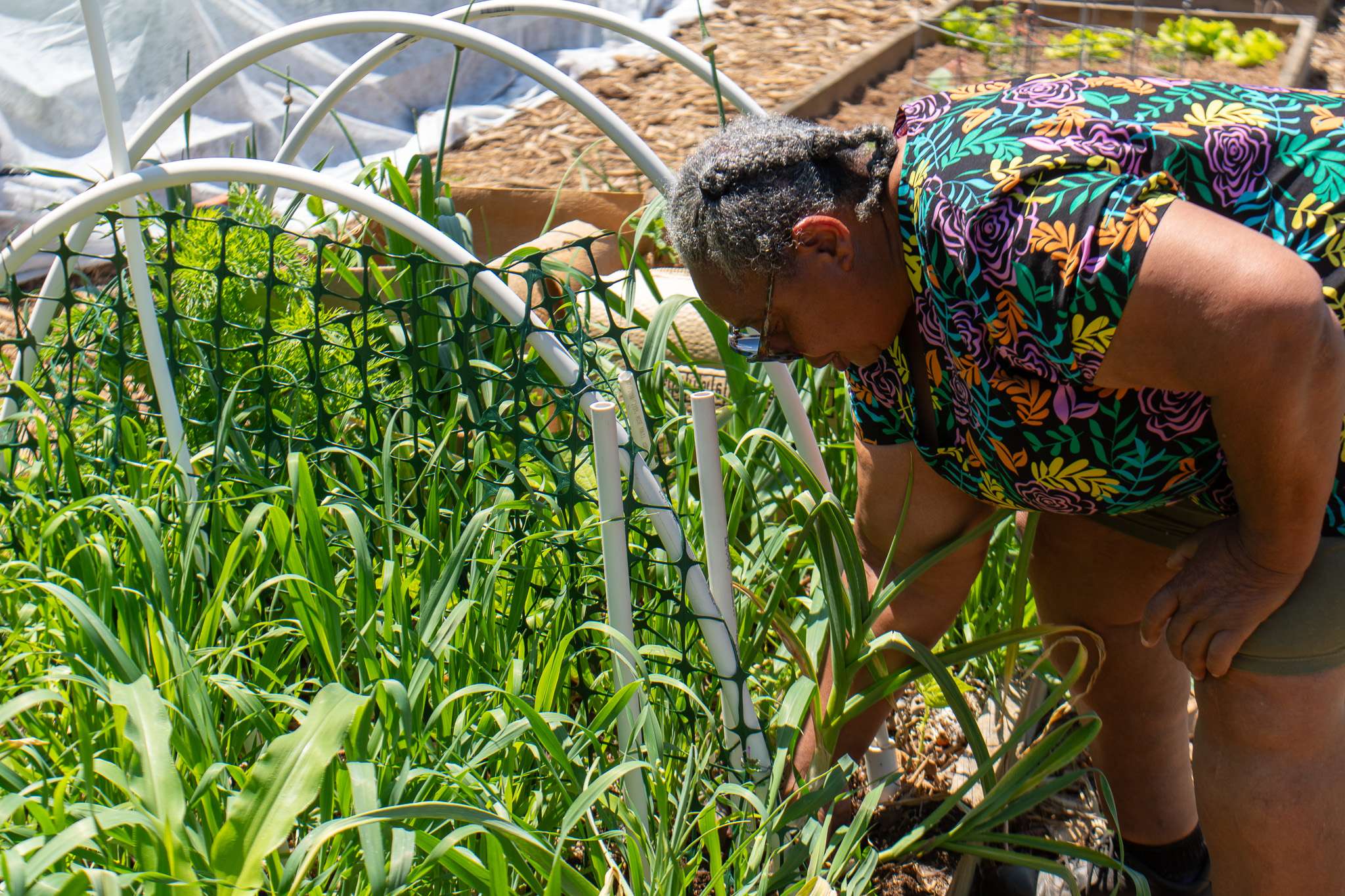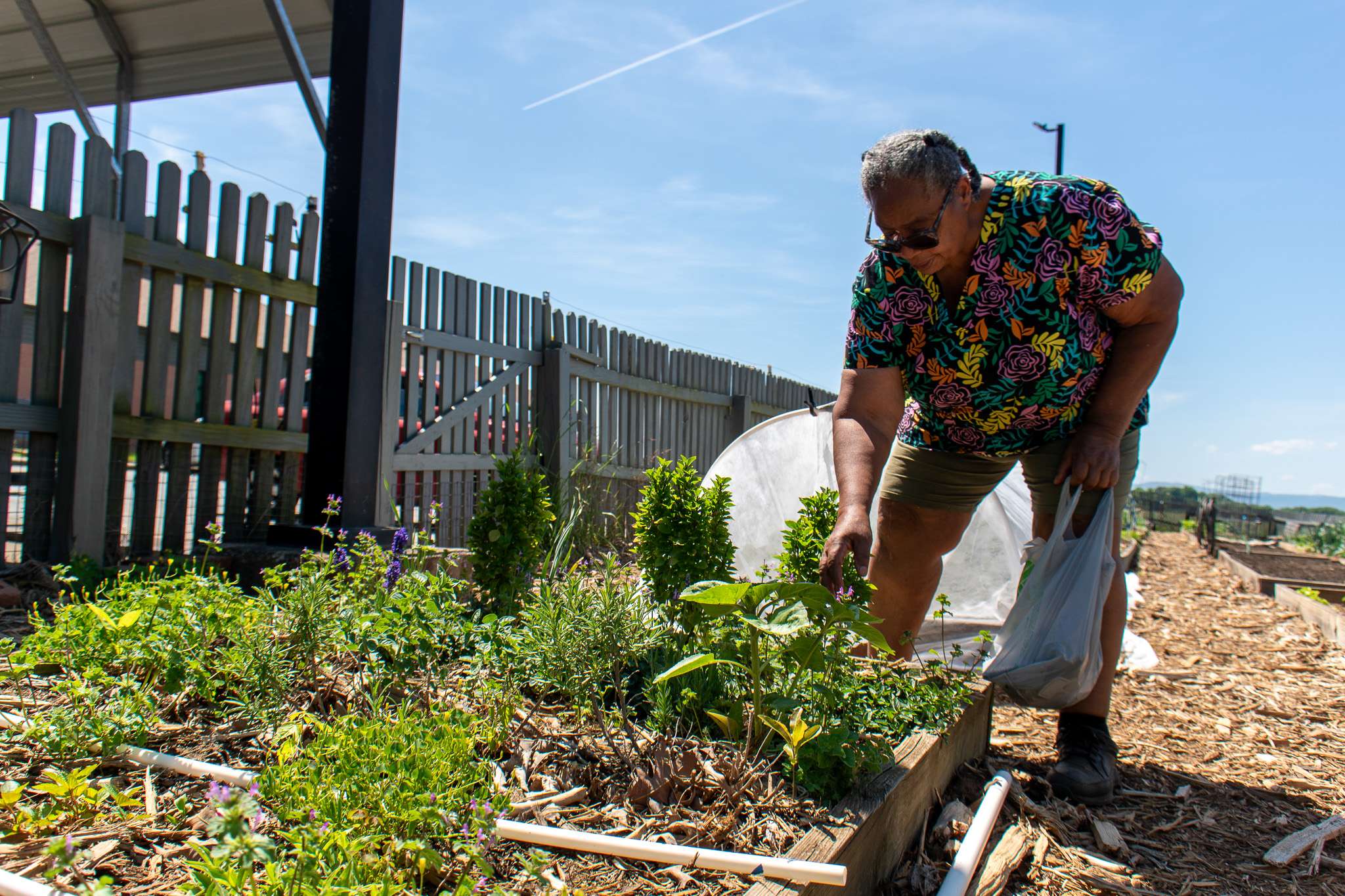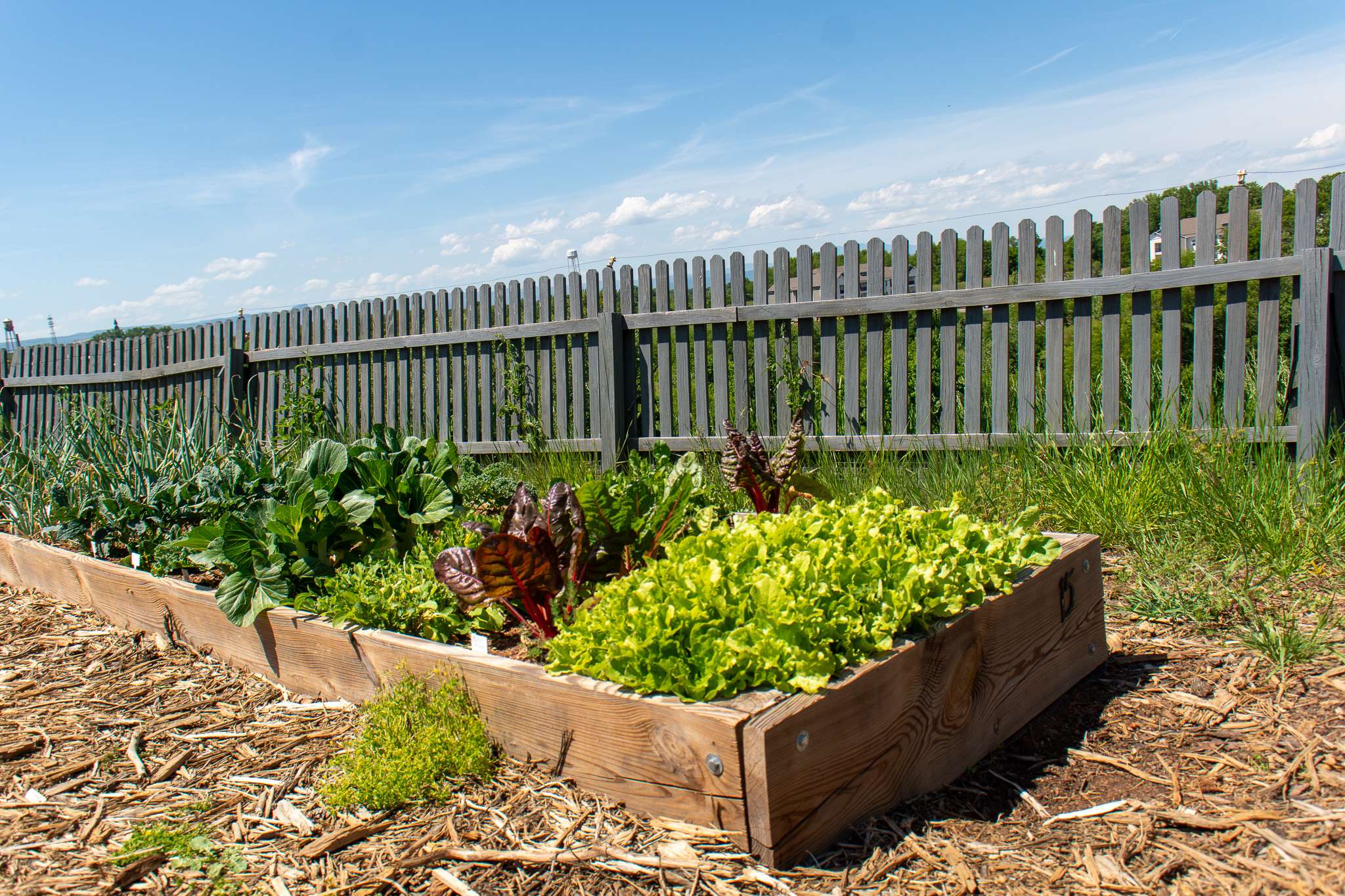
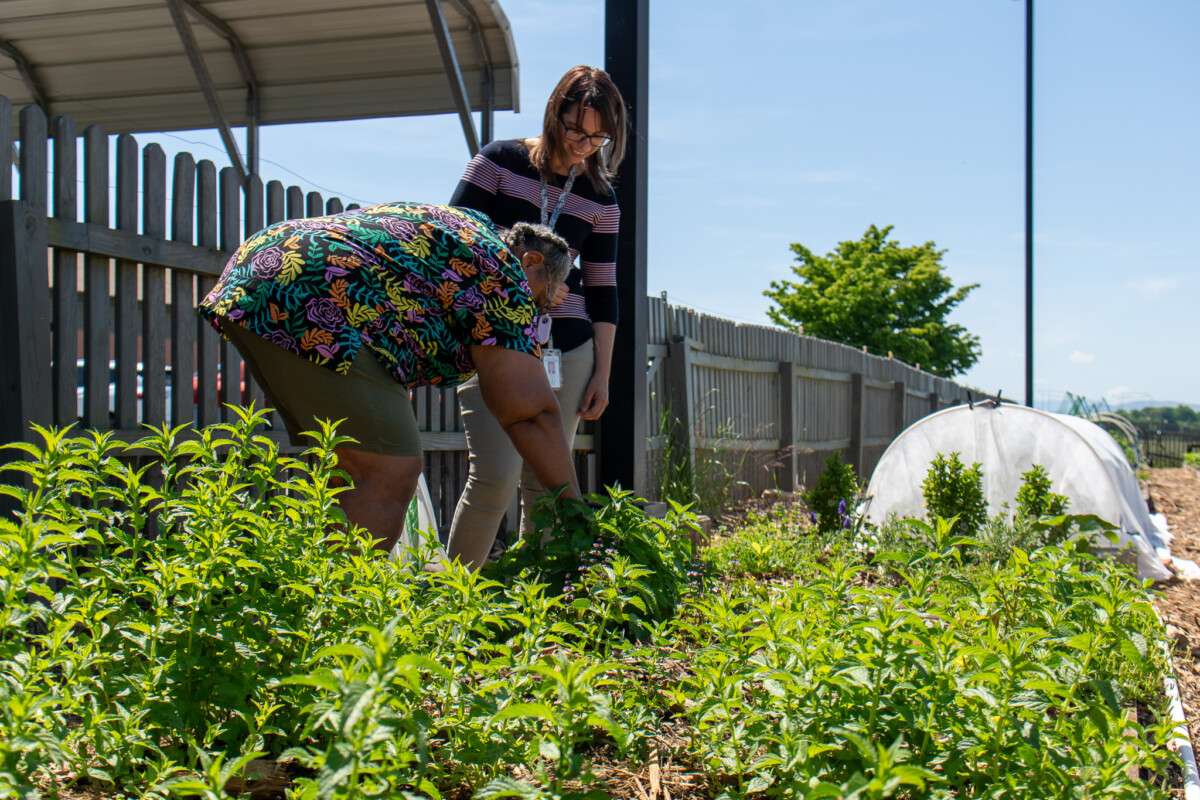
At the Extension office community garden in Burke County, Vivian Lawrence walks between rows of herbs, greens, peppers and garlic confidently showing the potatoes she’s growing in vertical cardboard boxes. Just a few years ago, gardening was completely new to her. Now, through her connection with Cooperative Extension in Burke County, she has become a vocal supporter of local food access, especially for older adults across Western North Carolina. Led through partnerships between the North Carolina Cooperative Extension Burke County Agents, local farmers and senior-serving organizations, the Farm to Senior Services Project is focused on connecting seniors with fresh, local foods while creating opportunities for education, community involvement and healthier living.
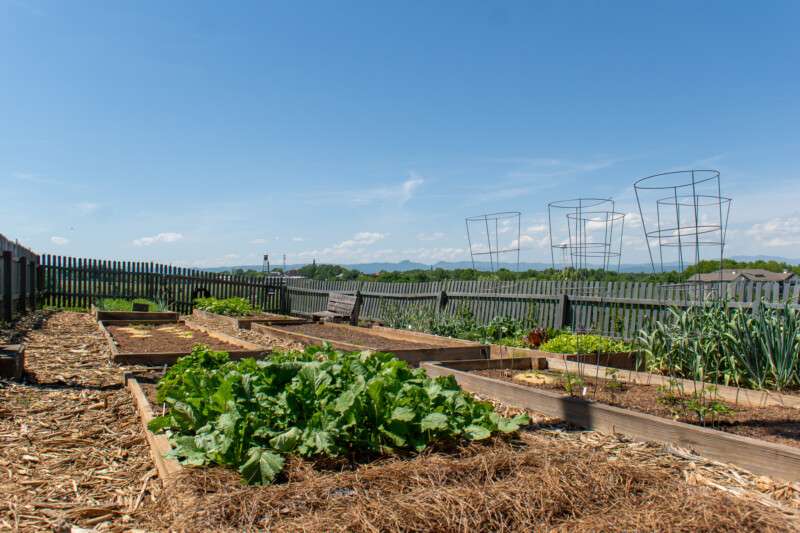
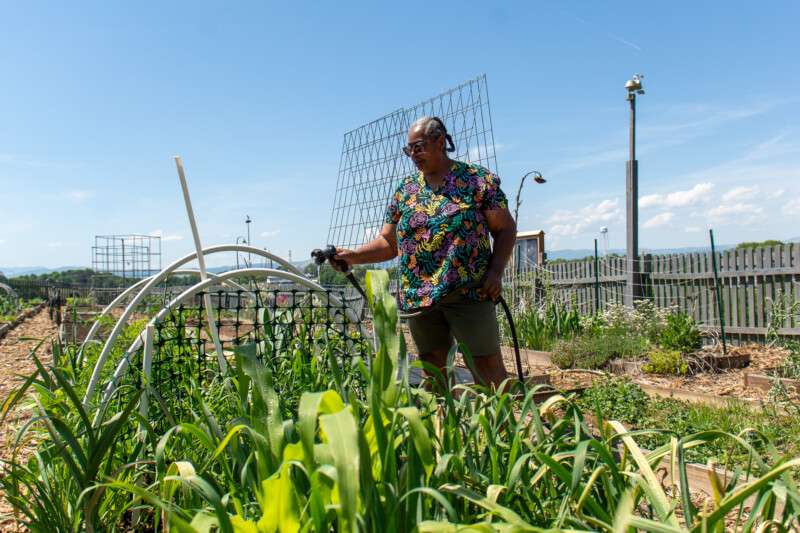
For Lawrence, the journey started with a major wake-up call about her health. “I was eating what was killing me,” she shared during a recent interview at the garden. Concerned about stroke and heart disease, she began changing the way she ate, clearing processed foods out of her home and learning how to cook with fresh ingredients instead. Not long after, she was introduced to the community garden through an Extension class. “I wanted to give it a try,” she said. Going into her third year gardening, Lawrence now grows everything from greens and tomatoes to chamomile, holy basil, ginger and Japanese sweet potatoes. She laughs when talking about learning to cook with unfamiliar vegetables and herbs. “It’s more of a test and trial,” she said. “What works well, what doesn’t work.” Along the way, gardening became more than a hobby. It became part of her daily wellness routine and a way to stay active, curious and connected. “That’s been a blessing to me,” she said. “I don’t have no issues right now.”
Supporting stories like Lawrence’s is one of the goals behind the Farm to Senior Services Project. Taylor Lynn, Family and Consumer Sciences Extension Agent with Cooperative Extension in Burke County, says the project is about much more than food distribution alone. “The role of Extension in bringing these local seasonal foods to older adults is really education first,” Lynn explained. “We partner with seniors, we partner with farmers. We all just work together.” In a large rural county like Burke, transportation, cost and access remain major barriers for many older adults trying to purchase fresh foods regularly. Lawrence pointed out that many seniors simply “eat what they got” because healthier options are harder to reach or harder to afford. Through partnerships with the senior center, local growers and community organizations, the project hopes to make local foods easier to access while also helping seniors learn how to prepare nutritious meals at home. The Empowering Mountain Food Systems project of the Center for Environmental Farming Systems is bridging these gaps to foster resilient local food economies and healthy rural communities across Western North Carolina. Ideas already being discussed by county teams include produce distributions, cooking classes and bringing fresh foods directly into communities where transportation is limited. “I’m hoping it can also garner some stronger social connections between our seniors,” Lynn shared, noting how important these programs can be in reducing isolation alongside improving nutrition.
What is happening in Burke County is an example of other innovative approaches to bring local food to older adults in Western North Carolina. Each county involved in Farm to Senior Services is building partnerships that fit the needs of its own community, while learning from one another along the way. For Lawrence, the message is simple: healthier eating starts with small changes and a willingness to try something new. “We need to eat better,” she said. “We sit down with our meals, slow down and enjoy your food.” It is that spirit that continues to make Farm to Senior Services such a meaningful effort, both in Burke County and beyond.