
Farm to Early Care and Education Internships
Farm to Early Care and Education (Farm to ECE) is a movement that connects young children and their families with local food and agricultural education. It encompasses four core pillars: purchasing local foods, implementing gardening activities, and community engagement and offering food and agriculture education. As an Intern your goal will be to promote healthy eating, support local economies, and enhance educational opportunities in childcare settings.
- Summer 2026 Internship (40 hrs/week for 8 weeks)
Professional development opportunities are included for the summer internship. Participants will be paid $18/hour. Travel and housing are not included.
For more information, please contact Shironda Brown at sewilli3@ncsu.edu
Summer Internship Dates: May 18 – July 24, 2026
Background
CEFS’ Farm to ECE program seeks to establish a sustainable local food market by linking North Carolina childcare providers with regional food sources. This initiative aims to improve the nutritional intake of over 250,000 children aged 0-5, a vulnerable population served multiple meals and snacks daily in ECE settings.
To ensure effective on-the-ground implementation and strong local connections, interns will be hosted and supervised at the county level by local Cooperative Extension offices and, potentially, Partnership for Children agencies. We will prioritize recruiting interns who reside in or are connected to the specific counties where they will serve.
Under the direct supervision and guidance of the County Extension Agents and/or Smart Start Partnership for Children agencies, interns will execute hands-on Farm to ECE programming with child care centers and family child care homes. This work will include, but is not limited to:
- Facilitating relationships between local farmers and ECE centers.
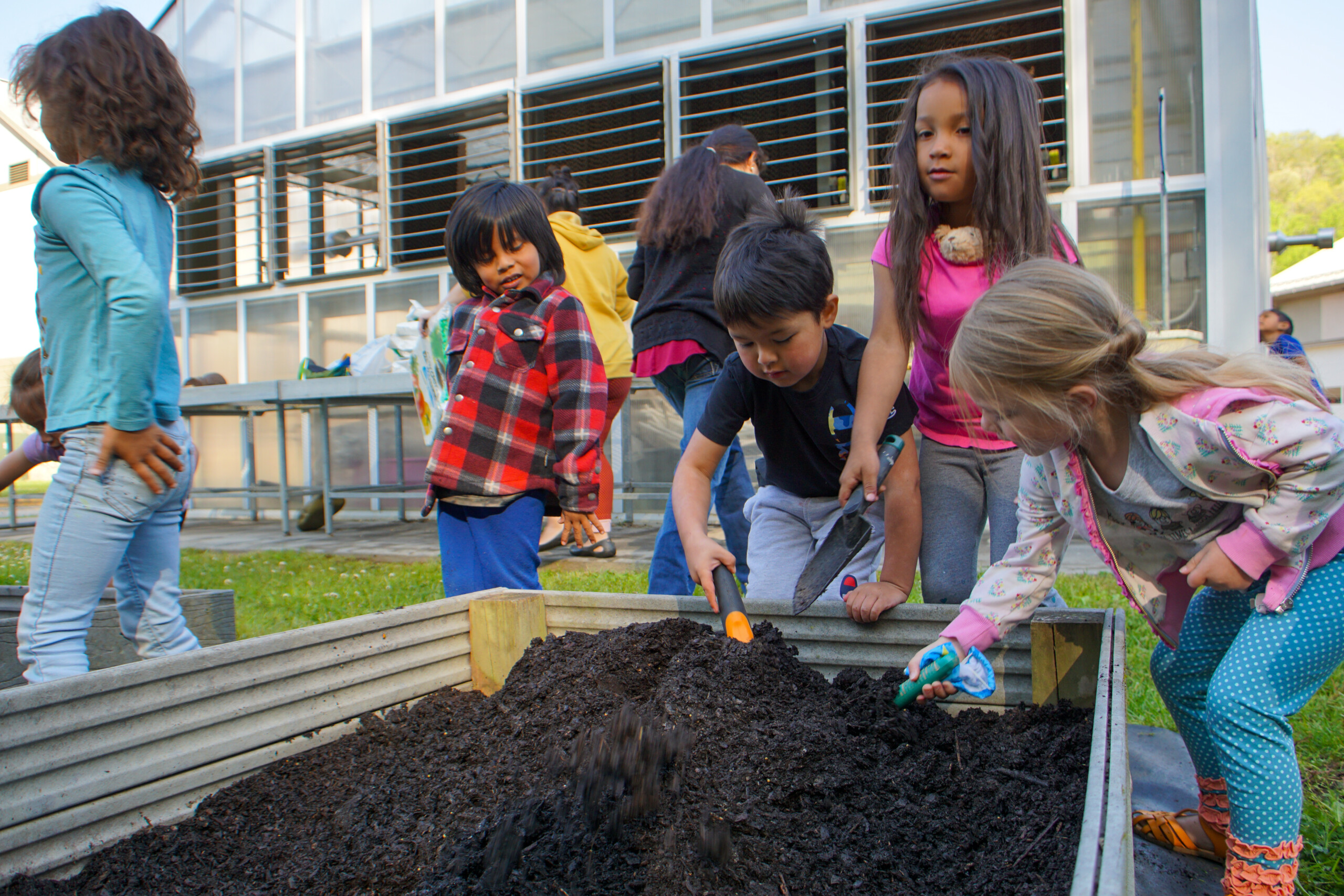
- Assisting with the implementation of educational gardens.
- Leading food and agriculture education activities with young children.
Duties will include:
- Farmer outreach
- Development and implementation of ECE food service requirements and local food procurement practices
- Local food distribution routes and logistics
- Local food purchasing data collection
- Recipe and cost analysis for child care meals
- Creation and/or management of online order systems
- Customer outreach and relationship building with child care programs and local community partnerships
- Help child care programs reach their goals in local food purchasing, garden building and cooking activities with children
- Work with NC Cooperative Extension to provide technical assistance to child care programs
- Social media and website management
- Development of policy around ECE food procurement
- Outreach to families
Interns will be paid $18/hr.
Internship Site:
TBD
Minimum Experience/Education:
- Currently enrolled in a 4 year or community college program, preferably in environmental science, horticulture, education, or related fields.
Required Skills:
- Interest in gardening, sustainable agriculture, environmental sustainability, or nutrition.
- Ability to work both independently and as part of a team.
- Strong communication and interpersonal skills, especially with students and community members.
- Physical ability to perform outdoor work, including lifting, bending, and standing for extended periods.
- Knowledge of gardening techniques, plant care, or interest in learning more is a plus.
- A positive attitude, reliability, and a willingness to learn.
- Enthusiasm for local foods and a respect for farmers and producers from diverse rural communities
Preferred Experience and Skills:
- Experience with technology and online platforms
- Good communication skills and self-motivated
- Knowledge of, or experience working with farmers and rural communities
- Personal laptop
Background of CEFS
CEFS envisions a future of vibrant farms, resilient ecosystems, strong communities, healthy people, and thriving local economies. CEFS is one of the nation’s most important centers for research, extension, and education in sustainable agriculture and community-based food systems. It is recognized as a national and international leader in the local foods movement, and celebrated for its work in building consensus around policies, programs and actions that facilitate a vibrant local food economy.
CEFS was born from the shared conviction that a land-grant-university-based research, education, and extension program focused on organic and sustainable agriculture could have a significant and essential impact in North Carolina.